
How to Seamlessly Integrate Technology for Events in Australia

Selecting the Right Tech
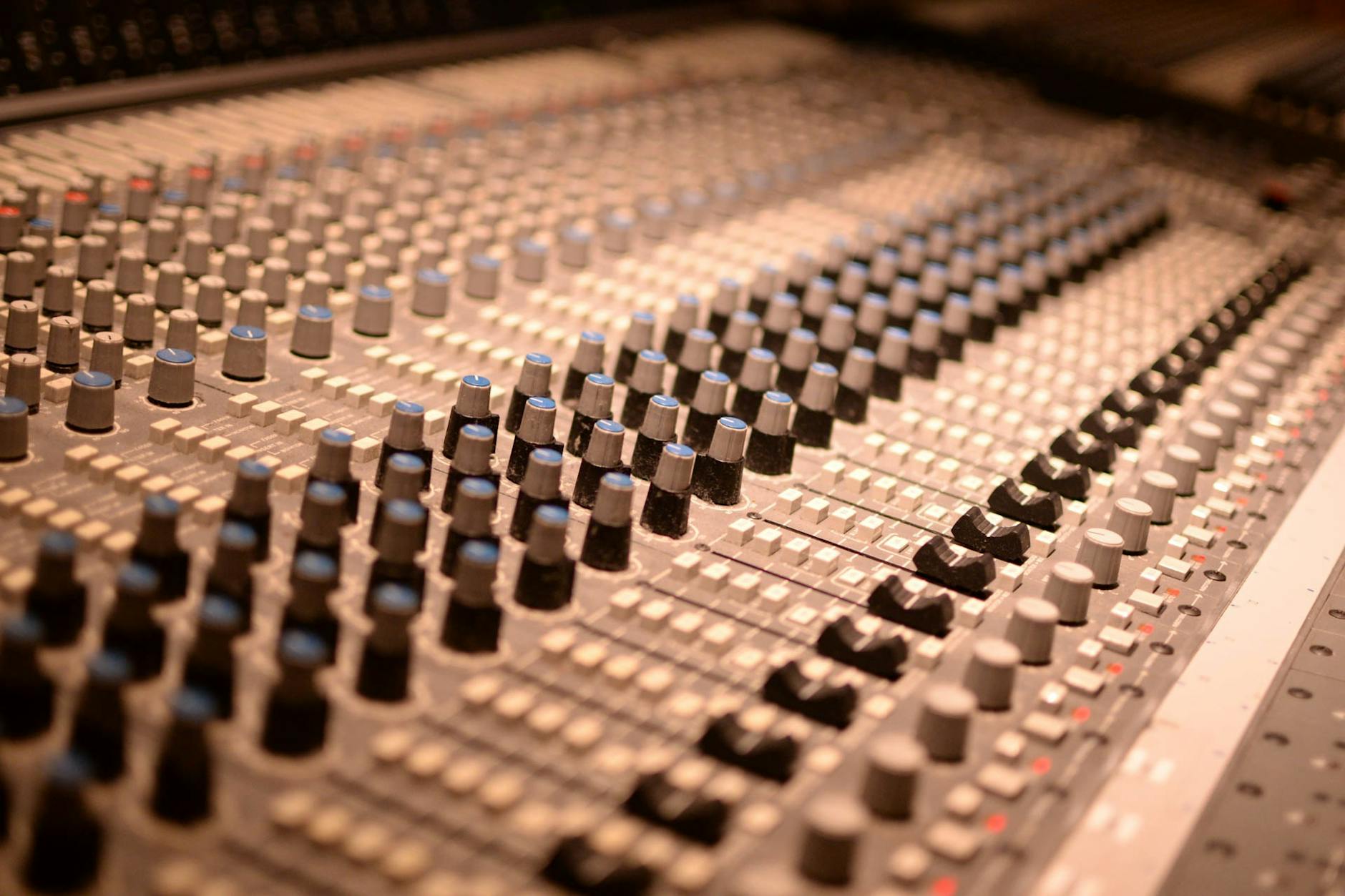
When preparing for a corporate event at the Brisbane Convention & Exhibition Centre, the right audio equipment can make all the difference. As an event specialist, I've discovered the significance of tailoring tech selections to fulfil distinct event demands. It's not always about investing in the most expensive options, but rather understanding what best fits your event's objectives and audience capacity.
Understanding Event Needs
To make informed choices, it's crucial to gauge the event’s scale and objectives. Will there be keynote speakers or panel discussions that require crystal-clear sound? Assess the venue's acoustics and size to determine the suitable audio solutions. High-quality microphones and sophisticated sound systems might be necessary for a large audience, ensuring that every participant experiences the presentation's full impact.
Latest Equipment Trends
Staying updated with the latest trends in audio equipment can significantly elevate your event. For instance, wireless microphones and compact soundboards are gaining traction for their ease of setup and integration. Beamforming microphone technology is another innovation worth considering, allowing for clear sound capture even in challenging acoustic environments.
Evaluating Functionality
Testing and evaluating equipment functionality is another step that shouldn't be overlooked. I make it a practice to ensure every piece of audio equipment not only meets technical requirements but seamlessly integrates with the existing setup at venues like the Brisbane Convention & Exhibition Centre. This strategic approach reduces the chances of technical hiccups and contributes to the overall success of the event.
Setting Up for Success
Venue Tech Mapping
Establishing a comprehensive tech map is essential for any event. When planning at prominent locations like the Brisbane Convention & Exhibition Centre, understanding the specific technological capabilities and limitations of each space ensures smooth execution. Start by assessing the floor layout for optimal placement of sound systems and video screens. This helps prevent audio feedback and enhances visual clarity for the audience.
Coordination with Suppliers
Effective supplier coordination is pivotal in event management, particularly for corporate venues like those in South Bank. I recommend liaising with suppliers well in advance to confirm the availability and specifications of the tech equipment you require. Discuss logistics regarding delivery times, setup durations, and equipment specifications to avoid last-minute surprises and ensure the materials align with the event's requirements.
Testing Procedures
Rigorous testing of all equipment, including mesh radios, is critical before the big day. Schedule a rehearsal to run through presentations, microphone usage, and lighting setups. Engage your AV team to check each piece of equipment twice, once during setup and again an hour before the event. This proactive approach ensures any technical issues can be swiftly addressed, mitigating the risk of disruptions.
By focusing on these crucial logistical strategies, you empower your event team to deliver a seamless and professional experience. Consider these steps an investment in your professional credibility, ensuring attendees leave with a positive impression.
Enhancing Audience Engagement
Interactive Tools for Events
As a corporate event specialist, it is always a priority to engage your audience active and involved. Tools such as data projectors can facilitate this, offering dynamic presentations that capture attention and enhance understanding. At locations like Howard Smith Wharves, this technology enables you to project vibrant visuals that can transform a standard presentation into a memorable, interactive experience. Utilising data projectors not only helps portray information effectively but also underscores your reputation for tech-savvy, high-quality event execution.
Streamlining Communication
Efficient communication is the backbone of successful events. Consider using advanced communication devices to ensure seamless interaction between team members. Clear and prompt communication reduces missteps and fosters a collaborative atmosphere, reflecting positively on your ability to manage events. Coordinated efforts facilitated by reliable communication tools lead to smoother event logistics and ultimately a more engaging experience for your attendees.
Incorporating Virtual Platforms
Incorporating virtual platforms is a strategic choice in today's hybrid event landscape. They offer a broader reach and inclusivity, catering to both in-person and remote participants. By integrating virtual elements, you can expand your audience and offer varied interactive options, such as live polls or Q&A sessions. This approach not only enhances engagement but also showcases your capability to adapt and innovate, delivering events that are both impactful and inclusive.
Managing Tech Challenges
Backup Plans and Redundancies
Navigating the complexities of tech equipment in corporate events, such as at venues in Brisbane, requires proactive strategies. Having backup plans ready, especially when managing tools like AV cables and projectors, is crucial. A robust redundancy strategy can be the difference between a seamless event and a logistical nightmare. I always recommend having spare equipment on hand and alternative setups that can be swiftly implemented. Communication with your AV team to pre-identify potential weak points is key. This foresight allows you to act confidently in preserving your event's integrity, irrespective of unforeseen issues.
Troubleshooting Techniques
Understanding basic troubleshooting techniques is indispensable for any event coordinator. From signal issues with projectors to audio glitches, knowing a few quick fixes can save the day. It’s vital to familiarize yourself with the specific equipment you're using. For example, understanding how to correctly reconnect AV cables or reset routers can prevent minor issues from ballooning into significant ones. Learning these strategies helps to ensure that you can respond promptly under pressure, thereby safeguarding the event's flow.
Real-time Monitoring Tools
Utilizing real-time monitoring tools can significantly enhance your oversight capacity during events. These tools allow you to track various equipment statuses and receive alerts on any malfunctions. By integrating these technologies, event coordinators can maintain a bird’s-eye view, facilitating a swift response to any technical anomalies. This approach ensures you can deliver a professional, hassle-free experience to attendees, reinforcing your credibility and expertise as a corporate event specialist.
Best Practices
Maximising Equipment Efficiency
In the bustling hub of corporate venues at South Bank, ensuring efficient use of equipment is paramount for successful events. Start by identifying key equipment requirements well ahead of your event. For instance, matching the latest AV systems to the venue’s specifications prevents any compatibility mishaps. It’s prudent to cross-reference equipment inventory with the event schedule to optimise audio visual hire usage and avoid unnecessary rental costs. By setting up a comprehensive inventory log, events at the Brisbane Convention & Exhibition Centre can run seamlessly, minimising delays and technical hiccups.
Leveraging Feedback for Improvement
Establishing a robust system for gathering feedback is invaluable. After hosting memorable networking events at Howard Smith Wharves, distribute post-event surveys to gauge the effectiveness of the technology used. This feedback loop allows for the refinement of logistical plans and software configurations. By consistently incorporating client and attendee suggestions into future event strategies, you can elevate the overall experience and solidify your reputation as a leading innovator in the Brisbane events scene.
Embracing Training and Development
To keep up with evolving tech trends, continuous learning is essential. Invest in regular training sessions for your team, focusing on new software tools and equipment features. Attending industry workshops and conventions can also broaden your knowledge, enabling more sophisticated event solutions. Consistent upskilling empowers you and your team, ensuring that your events are not only current but also innovative, captivating, and technically adept in meeting client needs.